Stopping an addictive behavior can save a person’s life. But for many people, abstinence is only the beginning of recovery.
A person may stop drinking, using drugs, gambling, overeating, acting out sexually, or engaging in another destructive behavior—and still struggle with anger, anxiety, loneliness, shame, control, resentment, or troubled relationships. The visible addiction may be gone, but the emotional pain that fueled it can remain.
This is where emotional sobriety begins.
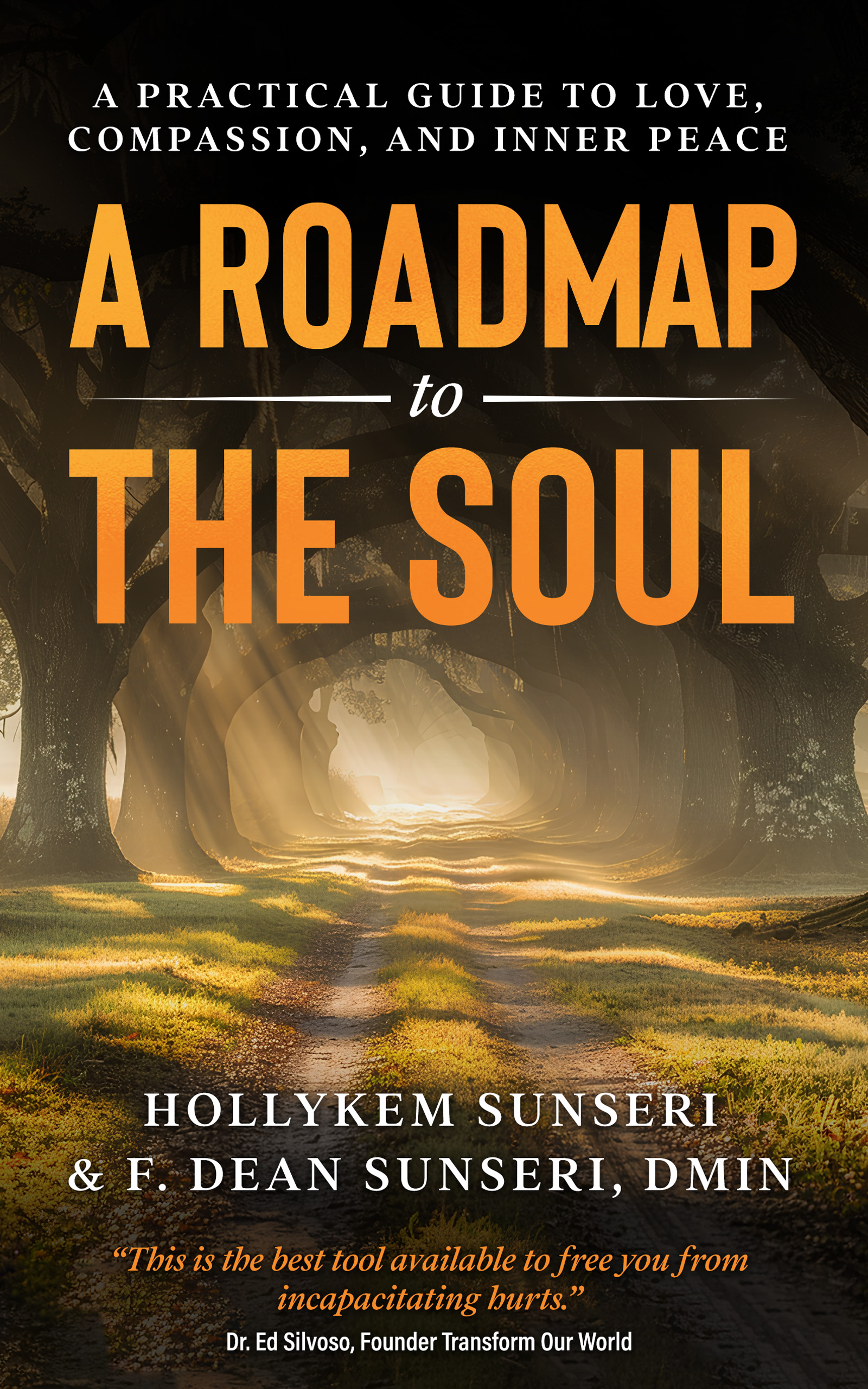
A Roadmap to the Soul: A Practical Guide to Love, Compassion, and Inner Peace, by HollyKem Sunseri and F Dean Sunseri, DMin, offers a compassionate process for understanding addiction, healing its deeper roots, and moving toward lasting freedom.
Addiction Is More Than a Bad Behavior
Addiction is often approached primarily as a behavior that must be stopped. While stopping the behavior is essential, A Roadmap to the Soul asks a deeper question:
What emotional purpose did the addictive behavior serve?
People rarely develop destructive habits because they want to ruin their lives. Addictive and compulsive behaviors often begin as attempts to cope with emotional pain, fear, loneliness, rejection, shame, powerlessness, or trauma.
Alcohol may provide temporary relief from anxiety.
Drugs may numb painful memories.
Work may create a sense of worth.
Food may offer comfort.
Sex or romantic intensity may temporarily quiet loneliness.
Control may make an unsafe person feel protected.
These behaviors may provide short-term relief, but eventually they create greater bondage. That which once protected us can later imprison us.
The Sunseri Roadmap does not excuse destructive behavior or minimize its consequences. Instead, it helps people understand why the behavior became so powerful. This understanding replaces shame with compassionate responsibility—and creates a pathway to genuine change.
Understanding the Protector
One of the most distinctive ideas in A Roadmap to the Soul is the Protector.
The Protector is the part of us that learned how to survive emotional pain. It develops behaviors and beliefs designed to keep us from feeling vulnerable, powerless, rejected, or overwhelmed.
For one person, the Protector may drink.
For another, it may become angry, controlling, perfectionistic, withdrawn, overly responsible, sexually compulsive, or obsessed with achievement.
The Protector’s message is usually some version of:
- “I must escape this feeling.”
- “I cannot let anyone hurt me again.”
- “I have to remain in control.”
- “I must prove that I am valuable.”
- “If I stay busy, numb, or distracted, I will not have to feel my pain.”
The problem is that the Protector does not always know when the danger has passed. A coping strategy that helped someone survive childhood may continue operating in adulthood—even when it damages marriages, families, health, finances, and spiritual well-being.
Recovery requires more than condemning or suppressing the Protector. It requires learning to recognize it, understand it, and manage it.
Meeting the Pain Beneath the Addiction
Behind the Protector is what the Roadmap calls the Wounded Child—the part of us that carries unresolved emotional pain and unhealthy beliefs from the past.
The Wounded Child may believe:
- “I am not good enough.”
- “I am unlovable.”
- “People will always leave me.”
- “My needs do not matter.”
- “I am responsible for everyone else.”
- “If people really knew me, they would reject me.”
- “I am alone, and no one will protect me.”
When these wounds are triggered, the Protector rushes in to provide relief. This can create a powerful cycle:
A painful trigger activates an old wound. The wound produces intense emotions. The Protector reaches for an addictive or compulsive behavior. The behavior brings temporary relief, followed by consequences, guilt, and more pain.
If a person addresses only the behavior without healing the underlying pain, the Protector may simply choose another strategy. Someone may stop drinking but become addicted to work. Another person may stop using drugs but become controlling, angry, sexually compulsive, or emotionally dependent.
The form of the addiction changes, but the emotional bondage continues.
A Roadmap to the Soul helps the reader connect the present behavior with the pain, belief, and emotional need beneath it. That connection is central to Stage 2 Recovery and emotional sobriety.
What Is Emotional Sobriety?
Physical sobriety means refraining from alcohol, drugs, or another addictive behavior. Emotional sobriety means learning how to experience emotions without being controlled by them. (Take the Free Emotional Sobriety Assessment)
An emotionally sober person can feel hurt without immediately retaliating.
They can experience anxiety without automatically escaping into a compulsive behavior.
They can face rejection without losing their identity.
They can communicate honestly rather than manipulate, withdraw, rescue, control, or rage.
They can take responsibility for their behavior without collapsing into shame.
Emotional sobriety does not mean becoming emotionless. It means learning to listen to emotions, understand what they are revealing, and respond from a healthier place.
Instead of asking only, “How do I stop doing this?” the Roadmap invites us to ask:
- What happened immediately before I felt the urge?
- What emotion am I trying not to feel?
- What old belief was triggered?
- What is my Protector attempting to accomplish?
- What does the wounded part of me actually need?
- What would my healthy, authentic self choose?
These questions turn an urge into an opportunity for healing.
Recovering the True Self
The third voice in the Sunseri Roadmap is the True Self.
The True Self is the authentic, healthy, loving, creative, and spiritually connected person beneath the layers of pain and protection. It is the part of us capable of truth, responsibility, compassion, healthy boundaries, meaningful relationships, and wise decisions.
Addiction causes people to lose touch with this authentic identity. They may begin to believe the addiction, shame, or destructive behavior defines who they are.
But the Roadmap offers a different message:
You are not your addiction. You are not your pain. You are not even the protective behaviors you developed to survive your pain.
These are parts of your story, but they are not the whole of who you are.
As people learn to identify the Wounded Child, manage the Protector, and strengthen the voice of the True Self, they gain greater freedom to choose how they will respond. The goal is not perfection. The goal is no longer allowing wounds and protective behaviors to control the present.
Healing Without Shame
Shame says, “Something is fundamentally wrong with me.”
Compassionate responsibility says, “My behavior has caused harm, but I can understand it, take responsibility for it, and learn a healthier way to live.”
This distinction is essential in addiction recovery.
Shame often strengthens addiction because it increases the very pain the addictive behavior is attempting to escape. Compassion makes it possible to face the truth without being emotionally destroyed by it.
A Roadmap to the Soul teaches readers to approach their woundedness and protective behaviors with honesty, curiosity, compassion, and accountability. This does not eliminate responsibility. It makes responsibility possible.
When we understand why we behave as we do, we become better equipped to interrupt destructive patterns, make amends, practice forgiveness, establish healthier boundaries, and choose new behaviors.
A Practical Process for Lasting Freedom
The Roadmap is more than a collection of inspiring ideas. It is a practical process that helps readers:
- Identify addictive and compulsive Protector behaviors.
- Recognize the triggers that activate those behaviors.
- Connect present reactions to earlier emotional wounds.
- Discover the unhealthy beliefs beneath recurring patterns.
- Develop compassion for the wounded places within.
- Take responsibility for harmful choices.
- Practice forgiveness of oneself and others.
- Strengthen the voice of the True Self.
- Create healthier affirmations, relationships, and responses.
- Deepen spiritual connection and inner peace.
The book also affirms the value of therapy, Twelve-Step programs, supportive relationships, and spiritual growth. The Roadmap is not a replacement for medical treatment, professional counseling, detoxification, or recovery communities when those services are needed. It provides a complementary framework for understanding and healing the emotional dynamics that can continue long after the addictive substance or behavior is removed.
From Enslavement to Liberation
The central image of A Roadmap to the Soul is a journey from enslavement to freedom.
Leaving an addiction can feel like leaving a familiar but destructive land. Even when bondage is painful, it is known. Healing requires traveling through the unfamiliar territory of grief, vulnerability, truth, forgiveness, and change.
The journey may be difficult, but it leads somewhere profoundly different: a life in which the past no longer possesses the present.
Freedom does not mean never being triggered again. It means recognizing what is happening inside you and knowing how to respond.
Freedom is being able to feel without immediately escaping.
Freedom is telling the truth without hiding in shame.
Freedom is setting boundaries without guilt.
Freedom is loving others without controlling them.
Freedom is discovering that your wounds may have shaped you, but they do not have to define your future.
Begin Your Journey to Emotional Freedom
If you have stopped an addictive behavior but still do not feel free—or if you continue repeating patterns you do not fully understand—A Roadmap to the Soul can help you begin a deeper journey.
Through the language of the Protector, the Wounded Child, and the True Self, you will learn to recognize what drives your behavior, compassionately address the pain beneath it, and develop healthier ways of living and relating.
Sobriety is a tremendous achievement. But you were created for more than merely avoiding destruction. You were created to experience love, connection, purpose, inner peace, and authentic freedom.
Your addiction is not the end of your story.
Your wounds are not the end of your story.
There is a True Self within you waiting to be heard—and there is a roadmap that can help you find your way.
Purchase A Roadmap to the Soul today and begin your journey from survival to healing, freedom, and liberation.
Purchase A Roadmap to the Soul on Amazon